How to Find a Reliable Phone Charger Manufacturer?

Time:2026-10-13 Author:Henry
0%

Choosing a reliable Phone Charger Manufacturer is not merely a price comparison. It is a practical investigation into safety, consistency, communication, and long-term capability. A charger may look polished in a product photograph, yet its internal components can tell a different story. Experienced buyers inspect circuit protection, connector quality, heat management, packaging, and production controls before placing a large order.

Start by examining the manufacturer’s technical documentation and factory experience. Ask for clear specifications, test reports, sample units, and evidence of quality-management procedures. Confirm whether the products meet applicable regional safety and electromagnetic-compatibility requirements. Certifications should be verifiable, not simply printed on a brochure. Speak with the engineering team, not only a salesperson. Their answers often reveal how seriously the company handles design changes, defect rates, and customer feedback.

Request samples from the same production process used for your intended order. Test charging speed, temperature, cable strength, and performance after repeated use. A sample that works once proves very little. Check how the supplier responds when a sample fails. That moment can be more informative than a successful demonstration.

Do not ignore small details. A delayed reply, unclear warranty term, or missing test record may become a costly problem later. However, no checklist is perfect. Even a well-reviewed factory can experience material shortages or production mistakes. Reliable cooperation depends on honest communication, documented inspections, and realistic expectations. This guide explains how to compare manufacturers carefully, reduce avoidable risks, and build a supplier relationship based on evidence rather than attractive promises.
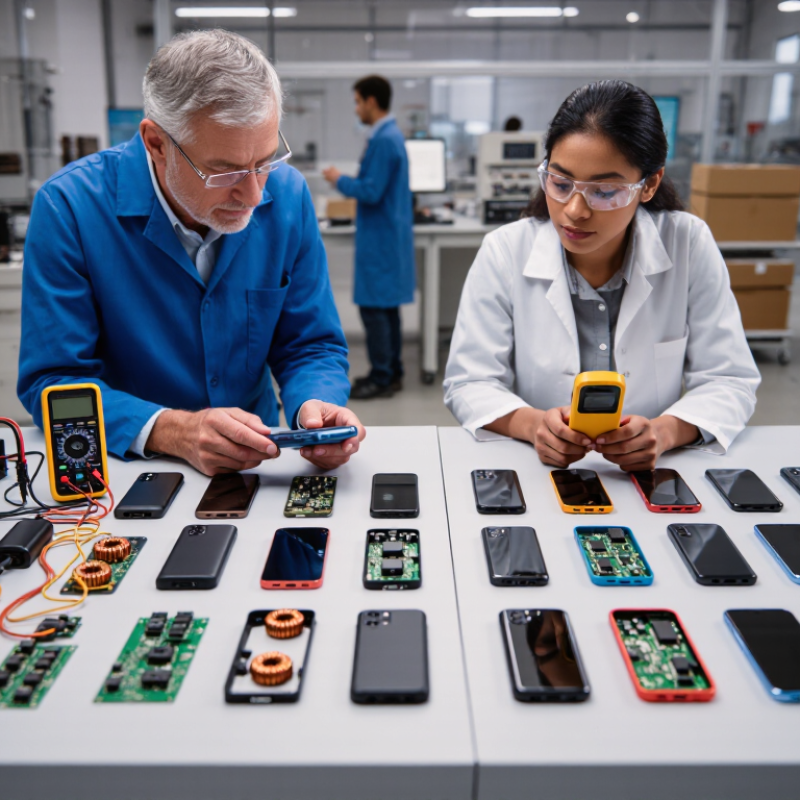
How to Find a Reliable Phone Charger Manufacturer?

Define Your Phone Charger Requirements and Quality Standards

A reliable charger project starts with precise requirements, not a supplier shortlist. Define input voltage, output wattage, charging protocols, connector type, cable length, and target device range. USB-IF’s USB Power Delivery 3.1 specification supports power levels up to 240 watts, but most phones need far less. Over-specification can increase heat, cost, and unnecessary component stress.

Set measurable quality standards before requesting quotations. Require documented testing for temperature rise, overcurrent protection, short-circuit response, insulation, surge resistance, and charging stability. IEC 62368-1 provides a recognized safety framework for audio, video, and information technology equipment. Ask for complete laboratory reports, not attractive certificates alone. IDC reported approximately 1.17 billion smartphone shipments in 2023, showing the scale and pressure behind charger manufacturing. Small defects can affect large volumes.

Tips: Test samples with different phones, cables, and wall sockets. Record charging speed after thirty minutes. Inspect the plug, housing seams, and cable strain relief by hand. Request factory process records and batch traceability. A polished sample may still hide inconsistent production. I would also repeat testing after transport simulation, because vibration and humidity can expose weak solder joints. That step is easy to overlook. Avoid accepting “fast charging” as a complete specification; define the exact protocol, power profile, safety limit, and failure response in the purchase agreement.

Research Potential Charger Manufacturers and Their Industry Experience

Researching potential phone charger manufacturers should begin with evidence, not polished presentations. IDC reported 1.24 billion smartphone shipments worldwide in 2024. That scale creates constant demand for stable charging performance across many devices and regions. Ask each manufacturer how long it has produced chargers, which power ranges it supports, and whether its engineers have handled similar volumes.

Request factory-audit records, recent batch samples, and documented failure rates. Check whether production lines use calibrated equipment for voltage, temperature, insulation, and overload testing.

Independent certification records also matter. A credible supplier should explain testing methods clearly, not hide behind vague compliance language.

Visit the assembly area if possible. Look for controlled storage, traceable components, and workers following repeatable inspection steps. A clean showroom proves very little.

The Global E-waste Monitor 2024 reported 62 million tonnes of electronic waste in 2022, while only 22.3% was formally collected and recycled. This makes component durability and repair-minded design important research criteria. Ask manufacturers about thermal aging tests, cable bend testing, and rejected-unit handling.

I would not treat a long operating history as automatic proof. That shortcut can fail. A smaller factory may have stronger engineering discipline, but that judgment stays provisional until records, samples, and site practices agree.

Experienced buyers should compare at least three manufacturers using the same technical checklist. That makes weak claims easier to expose.

Verify Certifications, Testing Capabilities, and Product Safety

How to Find a Reliable Phone Charger Manufacturer?

Verify Certifications, Testing Capabilities, and Product Safety

A reliable phone charger manufacturer should make safety evidence easy to verify. Ask for current certificates, test reports, and the exact factory address. Do not accept a certificate showing only a trading company. Check its certification number, product model, rated input, output, and valid scope. A document with mismatched model numbers is a warning sign. Small detail, big risk. A certificate can be genuine and still tell you too little.

Request reports for overvoltage, overcurrent, short-circuit, insulation, temperature-rise, and drop testing. The report should identify the laboratory, test standard, sample date, and measured results. A qualified engineer should explain why the enclosure stays cool near the plug pins. The factory should also show how staff inspect solder joints, cable strain relief, and output stability. Ask to see records, not promises. Independent laboratory accreditation adds confidence, but it cannot replace factory checks.

Review a pilot batch before placing a large order. Use chargers repeatedly, measure output under load, and inspect them after bending and heat exposure. Keep samples from each shipment for comparison. Factories sometimes pass a sample and drift during mass production. That possibility deserves attention. Unannounced quality questions can reveal more than polished presentations. Still, no paperwork proves perfect safety. Traceable records and repeated testing remain essential.

Compare Manufacturing Capacity, Pricing, Minimum Orders, and Lead Times

A reliable phone charger manufacturer should be compared through documented capacity, not impressive factory photos. IDC reported approximately 1.2 billion smartphone shipments worldwide in 2024. That scale demands stable component sourcing and flexible production. Ask for monthly output, active assembly lines, testing equipment, and recent utilization rates. A factory running at 95% capacity may struggle with urgent orders. Bigger is not always safer.

Pricing needs a clear structure. Request separate figures for materials, assembly, testing, packaging, tooling, and freight preparation. Compare identical specifications, such as wattage, cable length, plug type, and safety certifications. A lower quotation may exclude testing or packaging costs. It happens. Industry procurement data often shows that component prices and logistics can change faster than annual contracts. Ask whether quotations remain valid for 30, 60, or 90 days.

Minimum order quantities should match your sales forecast, not the factory’s preference. For a trial order, negotiate a smaller MOQ with a higher unit price. Then compare the total landed cost. Lead times also need written milestones: sample approval, material purchasing, production, testing, and final inspection. Many suppliers quote 15 days but start counting after every component arrives. Check the real calendar. A useful benchmark is 30–45 days for customized production, although complex designs may require longer. IDC’s smartphone shipment data supports planning capacity early, especially before seasonal demand peaks. Verify every claim with production records, inspection reports, and recent customer references.

Evaluate Samples, Communication, Support, and Long-Term Reliability

How to Find a Reliable Phone Charger Manufacturer?

Evaluate Samples, Communication, Support, and Long-Term Reliability

A reliable manufacturer proves quality through consistent samples, not attractive promises. Request several charger samples from different production batches. Inspect the plug, cable strain relief, casing seams, and printed specifications. Connect each sample to compatible devices for several hours. Watch for heat, unstable charging, loose ports, or unusual sounds. Ask for safety test reports, material details, and production traceability. A sample may pass basic checks yet fail during repeated use. That gap deserves attention.

Tips: Keep a simple comparison sheet. Record charging speed, temperature, defects, response time, and promised delivery dates. Ask the manufacturer to explain every failed sample. Clear answers matter more than perfect excuses. Request photos or videos of assembly and quality-control checks. Small details reveal process discipline.

Communication should remain practical after the quotation. Can the team answer technical questions accurately? Do they confirm specifications in writing? Reliable support includes replacement procedures, warranty terms, spare-part planning, and help with future design changes. Test this support before placing a large order. Send a detailed question and measure the response. Slow replies may become serious delays later. I would not judge reliability from one smooth conversation. People can perform well once. Long-term evidence is harder to imitate. Review production records, inspect pre-shipment units, and schedule periodic quality checks. Even experienced buyers miss defects, so independent testing is worth considering.

FAQS

What charger requirements should be defined before contacting manufacturers?

Specify input voltage, output wattage, charging protocol, connector type, cable length, and supported devices. Most phones need less power than high-power standards allow. Too much power can increase heat, cost, and component stress.

Which safety tests should charger samples pass?

Request documented tests for temperature rise, overcurrent protection, short-circuit response, insulation, surge resistance, and charging stability. Ask for complete laboratory reports. Certificates alone may look impressive but reveal little.

How should charger samples be tested?

Test several samples from different production batches. Use different phones, cables, and wall sockets. Record charging speed after thirty minutes. Check heat and stability.

What physical details should buyers inspect?

Examine the plug, casing seams, cable strain relief, and connector fit by hand. Watch for loose ports, unusual sounds, or damaged housing. Small cracks matter.

How can buyers compare different manufacturers fairly?

Keep a comparison sheet covering charging speed, temperature, defects, response time, and delivery promises. Record every failed sample. Clear explanations matter more than polished excuses.

What documents and factory evidence should be requested?

Request safety reports, material details, process records, batch traceability, and quality-control evidence. Photos or videos of assembly can reveal process discipline. A polished sample may hide inconsistent production.

How should communication and technical support be evaluated?

Send detailed technical questions before placing a large order. Check whether answers are accurate and confirmed in writing. Ask about replacements, warranty terms, spare parts, and design changes. Slow replies can become costly delays.

Why are transport simulations and independent testing useful?

Repeat testing after vibration and humidity exposure. These conditions can reveal weak solder joints or unstable connections. Independent testing adds useful distance. I would not trust one smooth conversation.

Conclusion

Finding a reliable Phone Charger Manufacturer starts with clearly defining your product requirements, including charging speed, connector type, materials, durability, packaging, and applicable quality standards. Once your expectations are established, research manufacturers with relevant industry experience and a proven ability to produce similar products. Carefully verify their certifications, safety testing procedures, quality control systems, and compliance with applicable regulations to reduce product risks.

You should also compare each manufacturer’s production capacity, pricing, minimum order quantities, and delivery schedules to ensure they match your business plans. Before making a final decision, request product samples and evaluate their performance, construction, safety, and consistency. Clear communication, responsive customer support, transparent processes, and a strong record of long-term reliability are equally important. Choosing a manufacturer based on both technical capability and dependable cooperation can help ensure stable product quality and a successful ongoing partnership.


Henry

Henry

Henry is a dedicated marketing professional with a profound expertise in the company's offerings. With years of experience in the industry, he possesses an impressive understanding of the market dynamics and consumer behaviors that drive success. Henry is committed to sharing his insights through......