How to Find the Best PD Charger Factory in China?

Time:2026-09-09 Author:Madeline
0%

Choosing the right Pd Charger Factory in China requires more than comparing catalog prices. It requires evidence. USB Power Delivery has become a critical charging standard, supporting up to 240W under the USB-IF’s USB PD 3.1 specification. This capacity serves laptops, monitors, tablets, and emerging high-power devices. The opportunity is significant, but quality differences remain visible in real use.

Market reports from Grand View Research and MarketsandMarkets identify continued growth in fast-charging, power-adapter, and gallium-nitride charger markets. However, published forecasts do not replace factory verification. A supplier may show impressive samples while lacking stable component control, aging tests, or traceable quality records. The best Pd Charger Factory should provide clear certifications, laboratory reports, production videos, and test data for temperature, surge protection, efficiency, and cable compatibility.

Jeff Ravencraft, USB-IF President and COO, has described USB Power Delivery as enabling “more power, data, and flexibility through a single connector.” That flexibility creates responsibility. Engineers must confirm negotiation protocols, thermal performance, and firmware behavior before approving mass production. Ask for pilot samples. Inspect the production line. Review failure records.

The cheapest quotation may be the most expensive mistake. A slightly awkward truth: supplier selection is partly technical, partly human. Communication speed matters when a failed batch reaches your warehouse. This guide explains how to compare Chinese factories, validate their capabilities, and choose a manufacturing partner with dependable engineering, transparent documentation, and repeatable output. Forecasts are useful. Factory evidence is better.
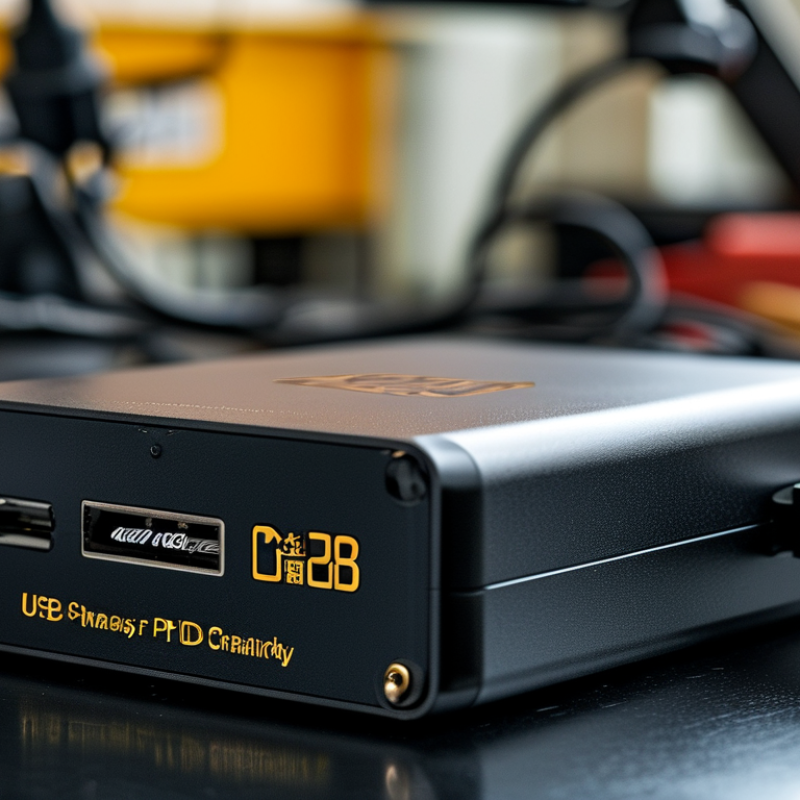
How to Find the Best PD Charger Factory in China?

Define Your PD Charger Product and Compliance Requirements

How to Find the Best PD Charger Factory in China?

Define Your PD Charger Product and Compliance Requirements

Before contacting a factory, define the charger clearly. State the rated power, port count, connector type, and charging protocols. For example, a 65W dual-port charger needs separate power allocation for each port. Do not write “fast charging” as the main requirement. It is too vague.

List the required output profiles, input voltage range, plug types, cable options, and enclosure materials. Include size limits for packaging and travel use. If the charger supports programmable power delivery, specify the required voltage and current steps. A sample table prevents costly misunderstandings. Keep it practical.

Compliance must match your target markets. Ask the factory which safety, electromagnetic compatibility, environmental, and efficiency standards apply. Request current test reports, certificates, critical component records, and production inspection procedures. Verify the reports against the exact model, not a similar-looking unit. A document can be real but still irrelevant.

Request an engineering sample before discussing large orders. Test charging stability, surface temperature, standby power, port sharing, and protection responses. Check performance after several hours, not only during a short demonstration. One overlooked detail matters: some chargers reduce power sharply when two devices connect. That may disappoint users.

Factories often promise flexible customization. Confirm it in writing. Review firmware control, tooling ownership, minimum order quantity, revision management, and failure handling. A practical factory should explain limitations instead of agreeing to everything. I would also challenge my own specification twice; early requirements are often incomplete. Ask what was missed.

Research China’s PD Charger Manufacturing Regions and Supplier Types

Finding the best PD charger factory starts with mapping China’s manufacturing regions. Shenzhen and Dongguan offer dense electronics supply chains, fast prototyping, and experienced engineering teams. Jiangsu and Zhejiang often provide larger assembly capacity and competitive tooling costs. Fujian also has established adapter and power-supply manufacturers. UNIDO’s International Yearbook of Industrial Statistics reports that China contributed about 31.8% of global manufacturing value added in 2022. That scale matters, but it does not guarantee quality.

Supplier type is equally important. An ODM can design the charger, select components, and manage certification preparation. An OEM contract factory is better when your specifications are already complete. Trading companies may provide flexible sourcing, but their factory visibility can be limited. During evaluation, request production-line videos, recent audit records, component traceability, and samples from mass production. Confirm support for USB Power Delivery 3.1, which the USB Implementers Forum defines with power levels up to 240 watts. A factory claiming “high power” without thermal data deserves caution.

Tips: Compare three suppliers from different regions. Ask for efficiency curves at 25%, 50%, and 100% load. Check temperature rise after continuous testing. A spreadsheet can look clean, yet hidden subcontracting may remain. I would not choose the lowest quote too quickly. The cheapest sample may become an expensive redesign. Ask who owns the firmware, testing fixtures, and tooling. These details expose supplier capability better than polished presentations.

Evaluate Factory Capabilities, Certifications, and Quality Systems

A reliable PD charger factory must prove more than production volume. Ask for monthly capacity, key equipment, engineer experience, and product-development records. The factory should support USB Power Delivery, PPS, thermal control, and efficient compact designs. Request samples from mass production, not only polished showroom units.

Certifications should match your target markets and product category. Check ISO 9001 records, IEC 62368-1 test reports, and valid USB-IF compliance evidence where applicable. A serious supplier can explain its testing process clearly. Look for incoming-material inspection, automated optical inspection, high-voltage testing, aging tests, and full batch traceability.

The 2024 Global E-waste Monitor reported 62 million tonnes of electronic waste in 2022. Durable chargers can reduce replacement pressure, although factory claims still need independent verification.

Tips: Visit the factory if possible. Select three production samples randomly. Compare their power output, temperature, cable connection, and labels. Review corrective-action reports, not just certificates. Ask how defects are isolated and how quickly the team responds. AQL inspection data is useful, but it never replaces long-term field feedback. One weakness in many evaluations is overtrusting paperwork. Certificates may be valid, yet process discipline can change after an audit. Include pre-shipment inspection, periodic testing, and a clear quality agreement before placing large orders.

Compare Samples, Pricing, Minimum Orders, and Production Lead Times

Choosing the best PD charger factory in China requires more than comparing a polished sample. My first mistake was judging only charging speed. A sample may perform well in a quiet laboratory, then show unstable heat during repeated use. Request at least three samples from the same production batch. Test output stability, connector temperature, cable fit, safety markings, and performance after 100 charging cycles. Ask for test records, not promises.

Pricing should be compared by configuration, not by unit price alone. A 2024 market report from Grand View Research estimated strong growth in the global charger market, driven by fast-charging adoption and stricter efficiency expectations. This growth can hide cost differences. Check whether tooling, packaging, testing, certifications, and shipping cartons are included. Ask for prices at 500, 1,000, and 5,000 units. The cheapest quote may exclude essential testing. That happens often.

Minimum orders and lead times reveal a factory’s real capability. A small MOQ is useful for market testing, but it may increase unit costs or limit customization. Confirm the timeline for sampling, component purchasing, assembly, inspection, and shipment separately. Industry surveys frequently identify supply-chain delays as a major electronics sourcing risk. Build a buffer of one or two weeks. Ask for a written production schedule. Also, verify whether the factory can repeat the same electrical results across batches. One attractive sample proves little. Reliability needs evidence.

Verify Factory Reliability Through Audits, Contracts, and Trial Orders

How to Find the Best PD Charger Factory in China? Verify Factory Reliability Through Audits, Contracts, and Trial Orders

Factory claims are only a starting point. During supplier evaluations, I check production licenses, quality records, equipment lists, and recent customer references. A reliable factory should allow an independent audit. The audit should cover incoming materials, assembly lines, testing rooms, worker training, and warehouse controls. Look closely at sample testing. Ask how the factory records temperature, power output, insulation, and safety results. Photos are useful, but physical evidence is stronger.

Contracts must define product specifications, inspection standards, delivery dates, payment stages, and remedies for defects. Include approved samples, packaging details, and document-control requirements. Vague wording creates expensive arguments later. Trial orders reveal more than sales presentations. Start with a manageable quantity and monitor communication, production updates, packaging quality, and shipment accuracy. Keep written records of every change. A factory may perform well during an audit yet struggle with a small order. That is easy to miss. I once focused too heavily on equipment and overlooked slow corrective responses. The mistake was costly in time, although not disastrous. Review the trial honestly. Ask whether the factory can repeat the same quality under pressure, not merely produce an impressive sample.

FAQS

: What information should I give a charger factory?

: Specify rated power, port count, connector type, and charging protocols. Avoid vague phrases like “fast charging.” Include output profiles, input voltage, plug types, cables, and enclosure materials. A small specification table prevents confusion.

How should I define a multi-port charger?

State how power is shared between ports. A dual-port charger may reduce output when two devices connect. Request separate power values for single-port and combined use. This detail is easy to miss.

What compliance documents should I request?

Ask for current safety, electromagnetic, environmental, and efficiency documents. Request test reports, certificates, component records, and inspection procedures. Check every document against the exact model. Similar-looking evidence is not enough.

Should I test an engineering sample?

Yes, request a sample before discussing large production orders. Test stability, surface temperature, standby power, and protection responses. Run it for several hours. A short demonstration can hide overheating.

How can I compare different factories?

Compare at least three suppliers from different manufacturing regions. Review engineering ability, production capacity, traceability, and audit records. Request production-line evidence and mass-production samples. A polished presentation proves little.

What testing should I perform on charger samples?

Test several samples from one production batch. Check output stability, connector temperature, cable fit, markings, and repeated charging. Test after many cycles, not only on day one. Repeatability matters.

How should I compare factory quotations?

Compare complete configurations, not unit prices alone. Confirm whether tooling, packaging, testing, documents, and shipping cartons are included. Request prices at several order quantities. Cheap quotes often omit important work.

What should I confirm about minimum orders and lead times?

Ask for separate timelines for sampling, components, assembly, inspection, and shipment. A small order may increase unit cost or reduce customization. Add a one- or two-week schedule buffer. Delays happen.

What factory agreements should be written down?

Confirm firmware control, tooling ownership, testing fixtures, minimum order quantity, and revision handling. Define failure response and replacement responsibilities. Ask who owns each technical asset. I would question my own specification again.

Conclusion

Finding the right Pd Charger Factory in China starts with clearly defining your product requirements, including power output, charging protocols, connector types, housing design, packaging, and target market compliance needs. Once specifications are established, research major manufacturing regions and compare different supplier types, such as specialized charger producers, electronics manufacturers, and engineering-focused factories. Evaluate each factory’s production equipment, technical expertise, testing facilities, certifications, and quality management procedures to ensure it can consistently meet your standards.

Before making a final decision, request samples and compare charging performance, safety features, construction quality, pricing, minimum order quantities, and production lead times. Factory reliability should also be verified through detailed communication, facility audits, document reviews, clear contracts, and a carefully managed trial order. A dependable supplier should demonstrate transparent processes, stable quality, responsive service, and the ability to scale production as your business grows. This structured approach can help you select a capable manufacturing partner while reducing quality, delivery, and communication risks.


Madeline

Madeline

Madeline is a dedicated marketing professional with a wealth of expertise in our company's core offerings. With a keen understanding of the industry, she brings a unique perspective to her role, consistently delivering high-quality content that highlights the superior aspects of our products. As......