China has become a major production base for USB charging technology, serving consumer electronics, travel accessories, and commercial equipment markets. This guide examines ten leading Usb Charger Manufacturer candidates and explains why they deserve attention.
The selection considers factory experience, product safety testing, charging protocols, output stability, customization, minimum order quantities, and export support. USB-C compatibility matters, but it is not the only concern. A reliable supplier should provide clear test reports, traceable components, consistent packaging, and responsive engineering communication. As USB-IF President and COO Jeff Ravencraft has described it, “USB Type-C is the future of connectivity.” That statement reflects the industry’s direction, although product quality still depends on implementation.
Real purchasing decisions are less tidy. A polished website proves very little. A low quotation may hide weaker components, limited testing, or unstable production. Buyers should compare samples, inspect certifications, and ask how a factory manages heat during continuous charging. That detail matters.
This overview also considers manufacturing scale, private-label capability, GaN charger development, and after-sales reliability. Some companies may excel at retail-ready products, while others perform better with technical customization. No ranking is perfect. Supplier performance can change with materials, management, and market pressure. Readers should verify current factory information before signing a contract. That extra step may feel slow. It can prevent expensive surprises.
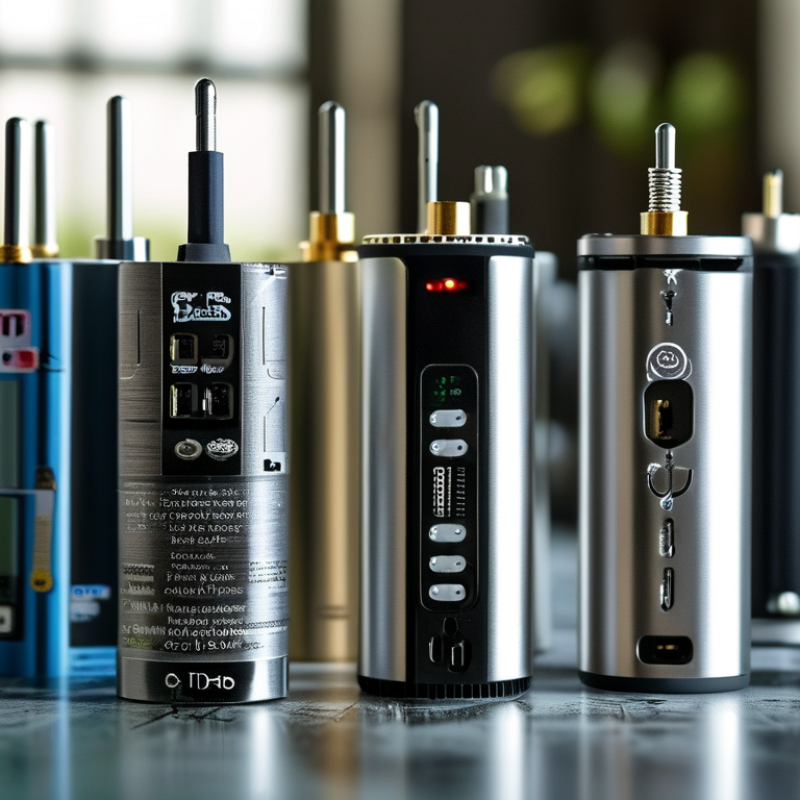
How USB Charger Manufacturers in China Are Evaluated
A credible comparison starts with performance, not factory size. In supplier assessments, I review sample chargers under continuous load, repeated plug cycles, and warm-room conditions. Output voltage should remain stable when several ports operate together. Thermal behavior matters too. A compact charger that becomes uncomfortable after thirty minutes deserves closer testing. Evaluators should check USB-IF documentation where applicable, electrical safety reports, EMC results, RoHS records, and market-specific approvals. Certificates must match the exact model, factory, and production version.
Manufacturing consistency separates capable suppliers from attractive sales presentations. Inspectors may compare solder joints, insulation spacing, component records, and automated test data from multiple batches. Traceable serial numbers help identify defects later. Clear warranty terms, replacement procedures, sample lead times, minimum order quantities, and packaging controls also affect the ranking. A factory audit should include incoming material checks and final inspection, not only a clean showroom. That distinction is easy to miss.
There is no perfect score.
I have seen polished samples fail after firmware changes or rushed component substitutions. Therefore, independent testing and a small pilot order remain practical safeguards. Price should be evaluated against efficiency, durability, documentation quality, and after-sales responsiveness. The strongest manufacturers communicate limitations honestly, update technical files promptly, and accept corrective-action reviews. Still, one audit cannot predict every shipment. Continuous batch testing is the more reliable measure.
Anonymous evaluation matrix based on measurable manufacturing, compliance, engineering, and supply-chain criteria
| Rank | Evaluation Dimension | Objective Measurement | Recommended Benchmark | Weight | Evaluation Priority |
|---|---|---|---|---|---|
| 1 | Product Safety Compliance | Availability of valid test reports and market-specific approvals | IEC 62368-1, CE, UKCA, FCC, RoHS, and applicable regional requirements | 20% | Critical |
| 2 | Electrical Performance | Rated output, voltage regulation, ripple, and load stability | Stable output under rated load with documented laboratory test results | 15% | Critical |
| 3 | Charging Protocol Coverage | Supported USB Power Delivery profiles and device compatibility | USB PD 3.x support, PPS where required, and verified interoperability | 12% | High |
| 4 | Factory Quality System | Process controls, inspection records, corrective-action procedures, and audits | Documented ISO 9001-based quality management and traceable inspections | 12% | High |
| 5 | Thermal and Protection Design | Over-voltage, over-current, short-circuit, over-temperature, and surge protection | Protection functions verified through functional and abnormal-condition testing | 10% | High |
| 6 | Energy Efficiency | Active-mode efficiency and no-load power consumption | Measured against the applicable regional efficiency requirement and product class | 8% | Medium |
| 7 | Component and Supply-Chain Control | Approved-vendor management, component traceability, and continuity planning | Documented incoming inspection, lot tracking, and qualified alternative sources | 8% | Medium |
| 8 | Engineering and Customization Capability | Ability to modify enclosure, plug configuration, firmware, and packaging | In-house design support with verifiable prototype and validation procedures | 6% | Medium |
| 9 | Production Capacity and Delivery | Monthly capacity, production lead time, on-time delivery, and minimum order quantity | Capacity supported by production records and consistent delivery performance | 5% | Supporting |
| 10 | Warranty and After-Sales Support | Warranty terms, failure analysis, response time, and replacement procedures | Clear written warranty policy and documented corrective-action response process | 4% | Supporting |
When evaluating leading USB charger manufacturers in China, technology matters more than appearance. Modern models commonly use USB-C Power Delivery, allowing compatible devices to negotiate safer voltage and current levels. Programmable Power Supply technology can adjust output in smaller steps, which may improve charging efficiency for smartphones and laptops.
Gallium nitride components help reduce charger size and heat. A 65-watt unit can now fit comfortably beside a notebook in a travel bag. However, wattage labels require careful reading. Multi-port chargers may share power between devices, so two connected laptops might charge more slowly than expected. Reliable manufacturers publish output tables instead of using vague performance claims.
Safety design deserves equal attention. Strong products include over-voltage, over-current, short-circuit, and temperature protection. Engineers should also test heat during extended use, not only during a brief laboratory check. Certification records, traceable materials, and consistent factory inspections support purchasing confidence. In practical comparisons, a charger staying near 45°C under load feels more dependable than one reaching uncomfortable temperatures. Still, testing conditions vary, and even careful evaluations can miss long-term wear. That limitation deserves honest consideration.
China’s USB charger manufacturing sector includes ten strong supplier types, from high-volume factories to specialized design houses. In my sourcing experience, reliable manufacturers show stable production lines, clear test records, and responsive engineering teams. They should explain wattage, charging protocols, thermal limits, and component choices without vague promises.
The strongest suppliers usually offer wall chargers, car chargers, travel adapters, and multi-port models. Some focus on compact GaN designs, while others serve retail or bulk-order projects. Factory audits can reveal useful details, including soldering quality, cable testing, packaging control, and worker training. A polished sample is not enough. Production consistency matters more.
Tips: Request recent safety reports, sample three production batches, and compare heat levels during continuous charging. Check whether the supplier accepts small revisions. Ask about warranty handling and replacement procedures before placing a large order. Verify labeling and electrical requirements for your target market. Certification names alone do not prove quality; matching test reports and product models must be checked. I have seen attractive samples fail during repeated plug cycles. That risk is easy to underestimate. Supplier rankings can also change as equipment, management, and quality systems change. Therefore, treat any top-ten list as a starting point, not permanent proof.
China’s leading USB charger manufacturers usually serve several product categories. Common options include single-port wall chargers, multi-port desktop chargers, USB-C Power Delivery models, GaN compact chargers, car chargers, and wireless charging stations. Each category requires different engineering decisions. A travel charger needs compact thermal control. A desktop model needs stable output across multiple ports. Wireless products require careful alignment and heat management.
Manufacturing capability often separates experienced suppliers from simple assemblers. Strong factories typically operate SMT lines, automated component placement, injection molding, final assembly, and aging-test stations. Engineers should verify power efficiency, temperature rise, short-circuit protection, and port-sharing behavior.
Reliable manufacturers also maintain incoming material checks and batch traceability. Ask for test records, sample reports, and production photographs. Evidence matters more than polished presentations.
Customization can include housing colors, cable lengths, plug types, packaging, firmware, and logo placement. However, customization may increase tooling costs and minimum order quantities. A factory may promise fast delivery, yet component shortages can change the schedule. That risk deserves written confirmation.
No supplier is perfect. Some factories have excellent engineering but limited packaging flexibility. Others offer attractive prices but weak after-sales documentation. Buyers should compare factory audits, prototype quality, production consistency, and communication speed before choosing among the top ten candidates.
Choosing the right Chinese USB charger supplier requires more than comparing prices. Start by checking product specifications, factory capability, and relevant safety documentation. Ask whether the supplier can provide test reports, quality certificates, and traceable production records. Documents should match the exact charger model, not a similar item.
Request samples before placing a large order. Test charging speed, heat, plug stability, cable fit, and performance after repeated use. A reliable supplier should explain its inspection process, component sources, and failure-handling policy. Factory video calls can help, but an independent audit offers stronger evidence. Small details matter, such as printed ratings, protective packaging, and consistent labeling.
Discuss minimum order quantities, lead times, customization limits, and payment terms in writing. Confirm which regional requirements apply to your target market. A supplier may promise fast delivery, yet seasonal production pressure can change the schedule. Build in inspection time. Do not accept vague answers.
Price remains important, but the cheapest quote can hide weaker components or higher defect rates. This is where buyers often misjudge the deal. A practical scorecard can compare safety, communication, testing, capacity, and total landed cost. No supplier is perfect. Review samples carefully, keep records, and leave room to improve your decision after the first shipment.
: Evaluate performance, safety, production consistency, documentation, and after-sales support. Factory size alone proves little. Test samples under continuous load and repeated plug cycles.
Check voltage stability when several ports operate together. Test charging speed, plug fit, cable connection, and heat after thirty minutes. Warm conditions reveal weaknesses.
A charger near 45°C under load may feel more dependable. Uncomfortable heat requires further investigation. Testing conditions still vary.
Request electrical safety reports, EMC results, material records, and market-specific approvals. Documents must match the exact model and production version.
Multi-port chargers may divide power between connected devices. Two laptops can charge more slowly than expected. Clear output tables prevent unpleasant surprises.
Power negotiation can adjust voltage and current for compatible devices. Gallium nitride components may reduce size and heat. Smaller is not automatically better.
Compare multiple batches, solder joints, insulation spacing, component records, and automated test data. Traceable serial numbers help locate later defects.
Yes, a small pilot order is a practical safeguard. Check packaging, labels, heat, charging speed, and repeated-use performance. One sample can still mislead.
Compare price with efficiency, durability, testing, communication, and total landed cost. The cheapest quote may hide weak components or higher defect rates.
No audit predicts every shipment. Firmware changes, rushed substitutions, and seasonal pressure can create problems. Continuous batch testing is more reliable.
This guide presents a practical overview of the top 10 USB charger manufacturers in China, focusing on how suppliers are evaluated rather than relying only on market popularity. It explains key criteria such as product quality, production capacity, certifications, safety testing, research and development, customization services, delivery performance, and after-sales support. Readers will also learn about modern charger technologies, including fast charging, USB-C compatibility, multiple-port designs, compact structures, temperature control, and energy-efficient power management.
The article reviews common product categories and manufacturing capabilities, from wall chargers and travel adapters to multi-port chargers, desktop charging stations, and customized solutions for business clients. It also offers a clear framework for selecting the right Usb Charger Manufacturer by comparing technical specifications, minimum order quantities, quality-control systems, communication efficiency, sample policies, pricing, and long-term cooperation potential. This approach helps buyers identify reliable manufacturing partners that can meet performance, safety, and delivery requirements.

Highfly