Top 10 Battery Charger Manufacturers for Global Buyers

Time:2026-10-18 Author:Liam
0%

The global shift toward electric mobility is changing how buyers evaluate Battery Charger Manufacturers. Hardware alone no longer decides a supplier’s value. Buyers now examine charging speed, thermal control, software compatibility, warranty support, and performance in harsh environments.

The International Energy Agency’s Global EV Outlook 2024 reports that public charging points increased by more than 40% in 2023. Fast-charging installations grew even faster. The report also indicates that public charging capacity may need to expand nearly sixfold by 2035, compared with 2023 levels. These figures show a practical challenge: a charger must work reliably beside a warehouse, highway, apartment block, or workshop.

Fatih Birol, Executive Director of the IEA, said, “The transition to clean energy is happening worldwide and it’s unstoppable.” That transition depends on dependable charging equipment, not only larger batteries. This guide examines ten Battery Charger Manufacturers serving global buyers, comparing product portfolios, certifications, charging architectures, service networks, and evidence of field experience.

Still, no universal ranking is perfect. Market data changes quickly. Regional standards differ. Some manufacturers disclose little about failure rates or repair times. That gap deserves attention. A polished product page cannot replace test records, transparent technical documents, and responsive support. Buyers should therefore treat this list as a research starting point, then verify voltage ranges, connector standards, efficiency claims, and local maintenance coverage before signing a contract.
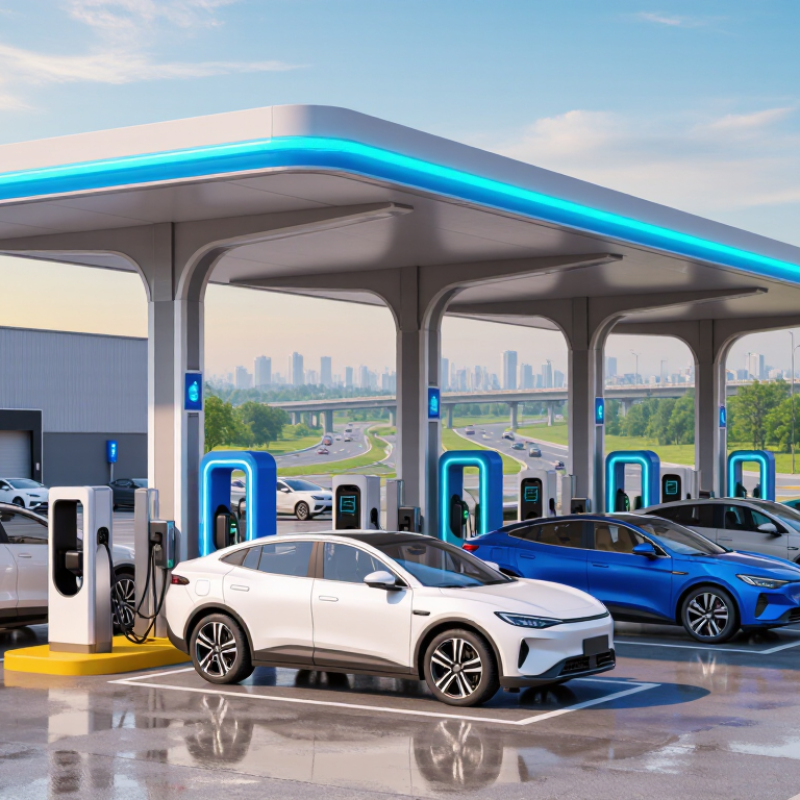
Top 10 Battery Charger Manufacturers for Global Buyers

Global Battery Charger Market Snapshot: 17 Million EVs Sold in 2024

In 2024, global electric vehicle sales reached about 17 million units. That volume is reshaping demand for reliable battery chargers. Buyers now compare the top 10 battery charger manufacturers by more than price. They examine charging speed, thermal control, connector durability, and after-sales support. A charger installed beside a dusty highway faces different pressures than one used in a clean garage.

For global purchasing teams, supplier evaluation should begin with real operating evidence. Request test reports, warranty terms, production capacity, and failure-rate records. An 11 kW AC charger may suit apartment parking, while a 150 kW DC unit needs stronger cooling and grid planning. Engineers should also inspect cable flexibility, screen visibility, software updates, and emergency shutoff performance. Small details matter. A stiff cable becomes frustrating in winter.

Manufacturers serving international buyers should provide clear documentation and consistent quality controls. Independent laboratory testing can strengthen confidence, especially across different climates and electrical systems. However, a polished datasheet does not guarantee long-term field performance. Buyers should ask for installation references and maintenance data from comparable sites. No supplier is perfect. Even strong production lines can experience component delays or software faults. That weakness deserves honest discussion, not hidden wording. The rapid growth behind 17 million EV sales also creates pressure to scale quickly, sometimes faster than service networks can mature.

Top 10 Battery Charger Manufacturers for Global Buyers

Global Battery Charger Market Snapshot: 17 Million EVs Sold in 2024

Global electric car sales increased from approximately 3.1 million units in 2020 to more than 17 million units in 2024. This sustained growth is expanding demand for home, commercial, and fast-charging infrastructure worldwide.

Top 10 Manufacturers by Region, Product Segment, and Production Capacity

A regional and product-based view makes the top 10 battery charger manufacturers easier to assess. The IEA’s Global EV Outlook 2025 reports that electric car sales exceeded 17 million in 2024. Public charging demand is expanding quickly. The same report highlights strong growth in China, Europe, and the United States. Regional manufacturers therefore gain advantages through local certification, service teams, and shorter delivery routes. China remains highly competitive in high-volume AC chargers and public DC systems. European producers often focus on grid integration, fleet charging, and strict safety compliance. North American suppliers increasingly target commercial depots and utility-linked infrastructure.

Product segment changes the ranking. AC wallbox makers usually offer broad retail coverage and flexible installation options. DC fast-charging manufacturers require stronger power electronics, thermal control, and field maintenance. Industrial battery chargers serve warehouses, ports, and backup-power systems. They need stable output, long operating cycles, and replacement parts. The U.S. Department of Energy’s Alternative Fuels Data Center tracks a rapidly expanding public charging network, but connector counts alone do not prove manufacturer quality.

Production capacity needs careful verification. Buyers should compare audited annual output, factory locations, testing laboratories, and average lead times. A large plant may still deliver inconsistent batches. Capacity is not quality. Energy-storage factories also report different figures, making comparisons imperfect. This ranking method remains practical, but it should be reviewed each year against shipment data, warranty claims, and regional installation records. Small details matter, especially a charger surviving dust, heat, and repeated overnight use.

Ranking Criteria: Efficiency, Output Power, Safety, Certifications, and MOQ

A credible Top 10 ranking should measure more than charging speed. The IEA’s Global EV Outlook 2024 reports nearly 14 million electric car sales in 2023. Public charging points also grew by over 40%. This demand makes efficiency a practical buying issue. A charger losing 10% of input energy creates heat, cost, and stress during daily use.

Output power must match the battery, connector, and installation. Higher wattage is not automatically better. Review continuous output, thermal control, and performance at low temperatures. Safety evidence matters more than advertising claims. Strong manufacturers typically provide testing against relevant IEC standards, short-circuit protection, over-voltage control, and clear installation documents. Certifications should be verified for the destination market. A certificate copied into a brochure is not enough. Buyers should request test reports, declaration numbers, and renewal dates. My ranking would remain provisional without these documents.

Tips: Compare real efficiency at 25%, 50%, and 100% load. Check whether the stated MOQ includes customized labels, packaging, or firmware. Global buyers should also examine warranty response times and spare-part availability. A low MOQ can reduce inventory risk, but it may increase the unit price. The International Energy Agency’s data supports a growing market, yet demand forecasts can change. Treat projections carefully. Factory audits, sample testing, and shipment inspections still matter, even with impressive certifications.

Technical Benchmarks: USB Power Delivery 3.1 Supports Up to 240 W

For global buyers, USB Power Delivery 3.1 is a critical benchmark for modern battery chargers. Its Extended Power Range can deliver up to 240 W through compatible equipment. That figure comes from higher voltage profiles, reaching 48 V at 5 A. It is not a universal charging promise. The device, charger, cable, and connector must support the same power level.

A dependable manufacturer should document supported voltage and current profiles clearly. Buyers should check thermal testing, over-voltage protection, short-circuit protection, and power regulation. Cable quality matters too. A 240 W connection requires an electronically marked cable with suitable current capacity. During practical testing, monitor connector temperature, charging stability, and output voltage under continuous load. A charger that performs well for five minutes may behave differently after an hour.

High wattage labels can mislead. That is an easy mistake. A strong supplier provides test records, safety certifications, production controls, and traceable specifications. Global purchasing teams should also request samples from different production batches. Small differences can expose weak quality control. Efficiency, standby consumption, plug compatibility, and repair support deserve attention as well. The best technical choice is not always the highest-rated charger. It should match the battery system, operating environment, and daily workload. My own evaluation would leave room for doubt, because laboratory results cannot represent every socket, cable, or field condition.

Buyer Compliance Checklist: IEC 62133-2, UL, CE, RoHS, and Warranty Terms

Top 10 Battery Charger Manufacturers for Global Buyers

In supplier audits, I check compliance documents before comparing prices. IEC 62133-2 usually covers rechargeable lithium cells and battery packs, not every standalone charger. Confirm that the battery, charger, and protection circuit were tested as a working combination. Request the full test report, model numbers, laboratory details, and report date. A certificate alone is not enough.

UL requirements UL requirements depend on the product design and destination market. Ask which UL standard applies, then verify the certification file and electrical ratings. For European sales, CE marking requires a valid Declaration of Conformity and supporting technical records. RoHS evidence should identify restricted substances, material controls, and recent supplier declarations. Do not accept a generic one-page statement without product traceability.

Warranty terms need equal attention. Check coverage length, cycle limits, repair responsibilities, replacement procedures, and exclusions for overheating or misuse. Ask how defective units are handled across borders.

In one review, I focused heavily on test reports and overlooked response times for warranty claims. That was a practical mistake.

Keep written records of approved samples, firmware versions, labels, and packaging. Small changes can invalidate earlier evidence. Do not assume compliance remains permanent. Recheck documents when components, factories, or target markets change.

FAQS

Why are regional manufacturers important to global charger buyers?

They often understand local certification, installation rules, and service expectations. Shorter delivery routes can reduce delays and spare-parts problems. Local support matters.

How do charger product segments affect manufacturer selection?

AC wall chargers usually support flexible installations and broad retail distribution. DC fast chargers need advanced power electronics and thermal control. Industrial chargers require stable output during long operating cycles.

Does high production capacity prove a manufacturer is reliable?

No. Capacity is not quality. Buyers should compare audited output, factory locations, testing facilities, and lead times. A large plant may still produce inconsistent batches.

Which documents should buyers request during a supplier audit?

Request complete test reports, product model numbers, laboratory details, and report dates. Ask for traceable records covering the charger, battery, and protection circuit. A certificate alone is insufficient.

What should buyers check about rechargeable battery testing?

Confirm that the battery and charger were tested as a working combination. Check whether the report matches the exact model. Similar-looking products may use different components.

How should buyers review market-specific safety compliance?

Identify the requirements for the destination market and product design. Verify electrical ratings, technical files, material declarations, and conformity documents. Do not accept generic paperwork.

What warranty terms deserve close attention?

Check coverage length, usage limits, repair duties, replacement procedures, and overheating exclusions. Ask how defective units are handled across borders. Response time matters too.

How can buyers maintain compliance after approval?

Keep records of approved samples, firmware versions, labels, and packaging. Recheck documents when components, factories, or markets change. Small changes can invalidate earlier evidence.

What practical conditions should buyers consider beyond laboratory testing?

Evaluate performance in dust, heat, and repeated overnight use. Review installation records, warranty claims, and shipment data. I once focused too much on reports and missed service delays. That was a practical mistake.

Conclusion

The global battery charger market is expanding rapidly, supported by the sale of approximately 17 million electric vehicles in 2024 and growing demand for reliable charging solutions across consumer, commercial, and industrial applications. This guide reviews the top Battery Charger Manufacturers by region, product category, and production capacity, helping global buyers compare suppliers with different strengths, capabilities, and order volumes.

The ranking focuses on practical purchasing criteria, including energy efficiency, output power, safety design, international certifications, manufacturing scale, and minimum order quantity. It also explains key technical benchmarks, such as USB Power Delivery 3.1, which can support output levels of up to 240 W when properly designed and configured. Before placing an order, buyers should verify compliance with IEC 62133-2, UL, CE, and RoHS requirements, while also reviewing testing documents, quality-control procedures, warranty coverage, and after-sales support.


Liam

Liam

Liam is a dedicated marketing professional with a profound expertise in the industry, where he excels at highlighting the unique advantages of our core products. With a keen understanding of market trends and consumer needs, Liam frequently updates our company’s professional blog, providing......