Choosing an iPhone charger can look simple: compare wattage, pick a familiar name, and plug it in. The real differences sit in less visible details, including power delivery, temperature control, component quality, and manufacturing consistency. A capable Iphone Charger Manufacturer must do more than print an attractive logo on a compact adapter. It needs dependable design, repeatable production, and clear product information. Small matters count. A loose USB-C port or an adapter that runs unusually hot can change the experience.
USB-C engineer Benson Leung’s public testing offers a useful reminder: evaluate evidence of safe, consistent performance rather than relying on branding alone. This is a paraphrase of the lesson his testing supports, not a direct quotation. For this guide, “top” means more than well-known. We’ll look at product range, charging standards, quality controls, compatibility claims, and the clarity of each manufacturer’s specifications. Some details may be difficult to verify from a product page alone. That deserves a second look, not an easy assumption.
A higher wattage figure does not automatically mean a better everyday charger. A compact adapter may suit travel, while a multi-port model can help at a crowded desk. Yet even strong specifications leave questions. How consistently does the manufacturer produce each model? What testing supports its claims? The sections ahead compare leading manufacturers through these practical checks, helping readers judge which options fit their devices, routines, and expectations.
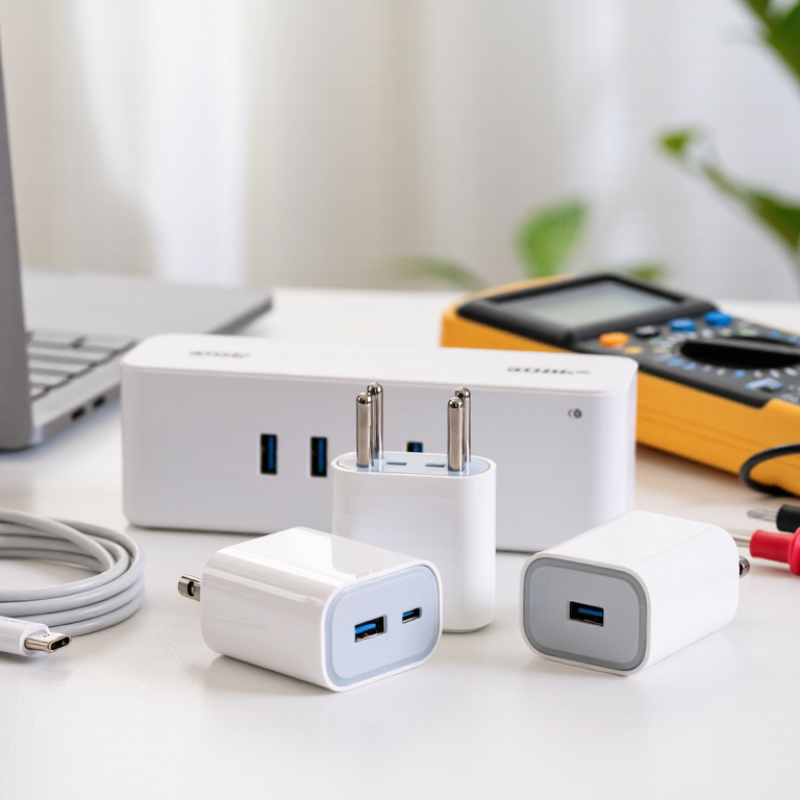
The iPhone charger manufacturing landscape includes more than assembly lines. Manufacturers coordinate electrical design, component sourcing, enclosure molding, and final testing. A compact wall charger may contain a circuit board, protective components, and carefully arranged insulation. Even a small layout change can affect heat or charging stability.
Quality checks should reflect real use. Teams may test output under different loads, inspect plug fit, and monitor temperatures during extended operation. They also need to verify cable and device compatibility, since connector types and charging requirements can vary. Look for clear product specifications, traceable production records, and consistent testing procedures. Small details matter. A neat casing alone proves little.
Manufacturers differ in how much work they control themselves. Some manage design and testing while relying on outside factories for assembly or parts. That can make production flexible, but it also adds coordination risks. A delayed component may trigger substitutions, and substitutions deserve careful review. Not always. Supplier oversight can be uneven, even when documentation looks polished. Buyers should ask how quality is checked across production batches, not just how a sample performs. One sample can be excellent; the next batch may tell a less comfortable story.
| Manufacturer Segment | Typical Manufacturing Role | Common Product Focus | Production Strengths | Relevant Quality and Compliance Considerations |
|---|---|---|---|---|
| Large electronics manufacturing service providers | Build products to a customer’s design and production requirements; may support engineering, sourcing, assembly, and testing. | Wall chargers, multi-port adapters, and other consumer power products. | High-volume production, established process controls, and the ability to coordinate complex supply chains. | Requirements depend on the destination market and product. Electrical safety, electromagnetic compatibility, and restricted-substance rules may apply. |
| Power-supply original design manufacturers | Develop and manufacture power-conversion designs, sometimes adapting a platform for different customer specifications. | Compact AC-to-DC adapters and USB Type-C Power Delivery chargers. | Expertise in power electronics, thermal design, circuit protection, and product miniaturization. | Design validation should cover output performance, temperature rise, insulation, and protection against electrical faults. |
| Specialist charger manufacturers | Concentrate on charger design, assembly, and testing, often serving several product categories or sales channels. | Single-port and multi-port chargers, including models with different power ratings. | Focused product development and manufacturing processes tailored to charging equipment. | Supported charging protocols and power levels are product-specific; verify them against the intended device and market. |
| Regional contract manufacturers | Provide manufacturing close to particular customer markets or distribution networks. | Chargers designed for regional plug formats, electrical systems, and regulatory requirements. | Regional logistics, market-specific production, and shorter supply routes for some customers. | Plug configurations, input-voltage ranges, labeling, and certification requirements vary by country or region. |
| Accessory-focused original equipment manufacturers | Produce finished charging accessories to customer specifications, which may include enclosure design and packaging. | Compact travel chargers, everyday wall adapters, and coordinated charging accessories. | Flexible product configurations and experience with consumer-facing industrial design. | Supplier audits and product testing are important; compliance claims should be confirmed for the exact model and sales region. |
This table describes common manufacturer segments, not a ranked list of individual suppliers. Capabilities, certifications, charging protocols, and production volumes vary by manufacturer and product model.
Portfolios may include wall adapters, multi-port desk chargers, reinforced cables, car chargers, and wireless stands. The mix varies.
Check its supported charging protocol, output profiles, port type, and cable rating. Test it with your intended phone when possible. Labels tell only part of the story.
Not necessarily. The phone, charger, and cable must support compatible power levels. A high rating alone can be misleading.
Request test reports for the exact model. Ask about overcurrent protection, temperature testing, and output stability. Warmth alone is not proof of quality.
Check its weight, plug durability, heat control, and cable length. A compact adapter is handy, but its small size does not tell the whole story.
Review production capacity, component traceability, and inspection records. Request a sample and confirm packaging options before committing.
No. Check the package contents and cable specifications before buying. That detail is easy to miss.
Longer-lasting products may reduce unnecessary waste. One estimate puts discarded and unused chargers at about 11,000 tonnes of e-waste each year in the EU. That figure deserves a closer look, too.
The iPhone charger manufacturing landscape includes companies that develop power adapters and charging accessories for different devices, usage habits, and budgets. A charger’s design involves more than choosing an output level: manufacturers consider charging standards, component quality, heat management, durability, and ease of use. Products are also evaluated through relevant safety and performance testing, helping ensure that they operate reliably under normal conditions.
Leading manufacturers may offer compact wall chargers, higher-output adapters, multi-port options, and travel-friendly designs. Their products can differ in device compatibility, charging speed, protection features, and build quality. When selecting an Iphone Charger Manufacturer, buyers should consider which devices they need to charge, how quickly they need to charge them, where the charger will be used, and what level of safety assurance and durability they expect. Comparing these practical factors can help match a manufacturer’s strengths to individual or business needs.

 Highfly